It usually starts with something small. A dish left in the sink. A tone of voice. Someone forgetting to mention they’d be home late. And then, seemingly out of nowhere, the conversation turns into a full-blown argument — voices raised, old grievances resurfacing, one or both partners wondering how a five-minute disagreement about laundry became a referendum on the whole relationship.
If this sounds familiar, you’re not alone, and you’re not overreacting in the way you might think. Tiny issues that trigger big reactions are one of the most common — and most misunderstood — patterns in marriage conflict. Understanding what’s actually happening beneath the surface can change how you and your partner handle these moments, and over time, how connected you feel to each other. This is where individual relationship counseling for marriage conflict can help.
The Issue Is Rarely the Issue

When a small disagreement produces an outsized emotional response, it’s rarely about the dish, the tone, or the lateness itself. Those are triggers, not causes. What’s usually happening is that the small moment has tapped into something deeper: a fear of not being valued, a worry about being controlled, a long-standing sense of being unheard, or an old wound from earlier in the relationship — or even earlier in life — that never fully healed.
This is why one partner might feel confused when their spouse suddenly seems “too upset” over something minor. From the outside, the reaction looks disproportionate. From the inside, it makes complete sense, because the person isn’t only reacting to the dish — they’re reacting to what the dish represents to them in that moment: feeling taken for granted, feeling like their needs don’t matter, or feeling dismissed the way they’ve felt dismissed many times before.
Why Do Couples Get Stuck Arguing About the Wrong Thing?
Because the emotional charge is real even when the trigger is small, couples often spend their energy debating the surface-level issue rather than the underlying need. This leads to circular arguments: both partners defending their position about the dish or the schedule, while the actual hurt — feeling unappreciated, feeling anxious, feeling alone — goes unspoken and unaddressed.
Over time, this pattern can erode goodwill. Partners start to dread small conversations because they know where they might lead. Some begin avoiding topics altogether, which can create distance. Others brace for conflict at the first sign of tension, which can make ordinary interactions feel tense before anything has even been said.
How Do You Reframe Patterns as Information?
One of the most useful shifts couples can make is to treat a disproportionate reaction not as a character flaw or a sign of instability, but as information. A big reaction to a small issue is often a signal flare — it’s telling you that something important is happening beneath the surface and deserves attention.
Instead of asking “why are you so upset about something so small?”, it can help to ask, gently and with real curiosity, “what does this actually feel like it’s about?” This question invites your partner to look past the immediate trigger and name the deeper concern, whether that’s feeling unsupported, feeling disrespected, or feeling like effort in the relationship isn’t being reciprocated.
What Are Practical Ways to Respond During Conflict?
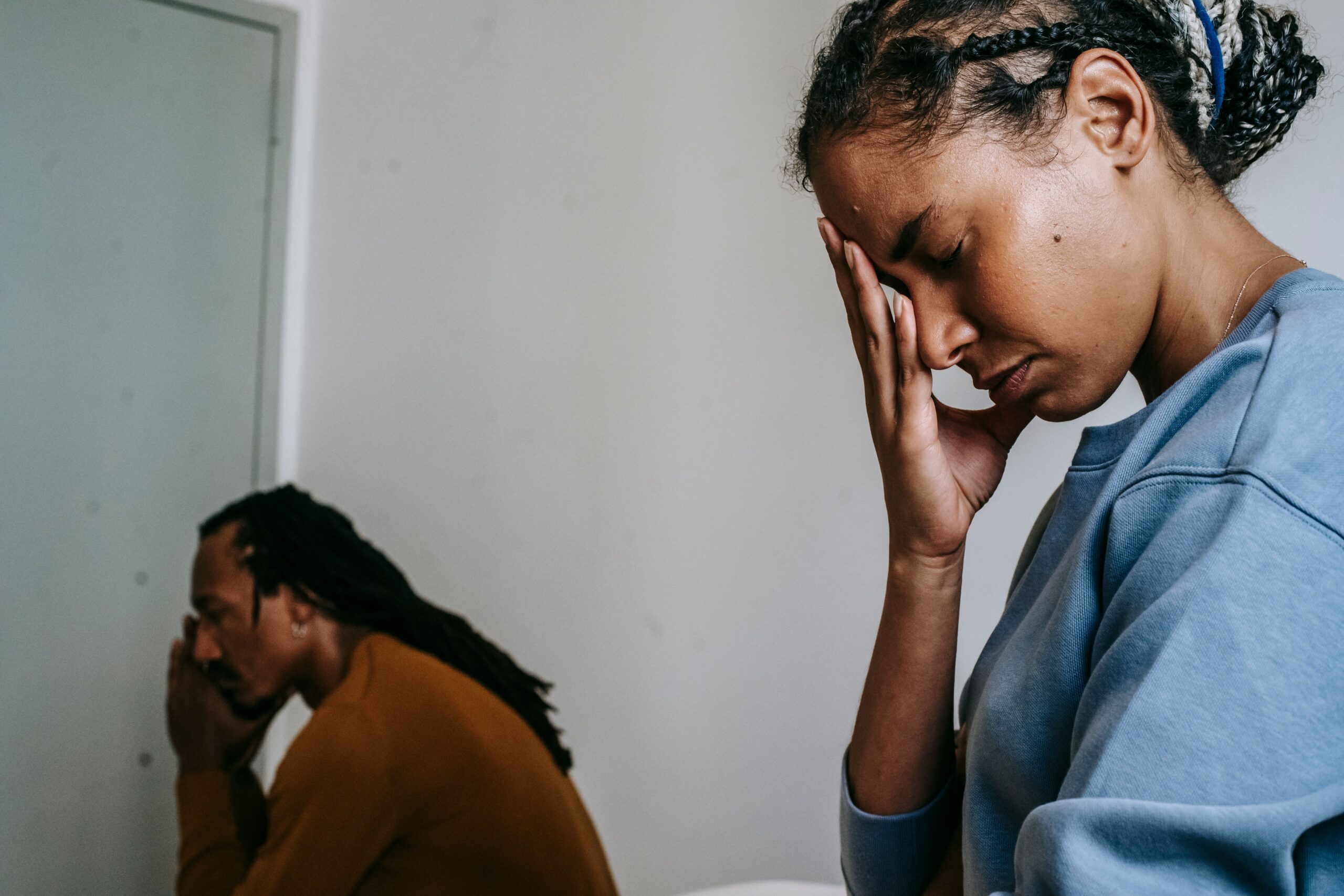
A few habits can help couples navigate these moments with more grace:
- Pause before responding. When a reaction feels bigger than the moment calls for, both partners benefit from a brief pause rather than an immediate rebuttal. This isn’t about avoidance. It’s about creating space to respond thoughtfully instead of reactively.
- Name the pattern together, outside of conflict. It’s much easier to discuss “we tend to escalate over small things” during a calm dinner conversation than in the middle of an argument. Naming the pattern when things are peaceful builds shared awareness and reduces defensiveness later.
- Get curious about the underlying need. Ask what the moment brought up, rather than debating whether the reaction was justified. Curiosity de-escalates in a way that judgment never does.
- Take responsibility for your own history. Each partner brings their own sensitivities into the relationship — past relationships, family dynamics, personal insecurities. Recognizing your own triggers, rather than expecting your partner to simply avoid them, is a sign of maturity and care.
- Repair, don’t just resolve. Fixing the immediate issue — doing the dish, adjusting the schedule — is helpful, but it doesn’t address the emotional rupture. A short, sincere repair (“I know that came out harsher than I meant, and I really do value what you do”) often matters more than the practical fix.
When to Seek Additional Support
If small issues consistently spiral into major conflict, and the pattern feels resistant to change despite genuine effort, it may be worth speaking with a couples therapist. A trained professional can help identify the recurring emotional triggers at play and offer structured tools for communicating through them — not because something is wrong with the relationship, but because these patterns are often rooted in dynamics that are hard to see from the inside.
What is the Bigger Picture of Marriage Conflict?
Tiny issues that produce big reactions aren’t a sign that a marriage is failing. More often, they’re a sign that both partners care deeply and are carrying unmet emotional needs that haven’t yet found the right outlet. With patience, curiosity, and a willingness to look past the surface disagreement, these moments can become opportunities — not for winning an argument, but for understanding each other a little more fully. At Empathic Counseling & Psychotherapy, compassionate individual relationship counseling with a therapist can provide additional support.
Support for Marriage Conflict with Individual Relationship Counseling in Denver, CO

If small disagreements in your marriage often turn into major arguments, you’re not alone. These intense reactions are often rooted in deeper emotional patterns that can be understood and changed.
At Empathic Counseling & Psychotherapy, you can:
- Schedule a consultation to explore what’s fueling recurring conflict.
- Begin individual relationship counseling in Denver, CO, for marriage conflict to better understand your emotional responses and communication patterns.
- Learn practical tools to stay grounded, communicate more effectively, and handle conflict with greater confidence.
You don’t have to keep repeating the same arguments. With compassionate support from an individual relationship therapist, you can build healthier communication habits and create a stronger, more connected relationship.
Comprehensive Mental Health Support in Denver, CO
In addition to supporting clients with relationship challenges, Empathic Counseling & Psychotherapy offers therapy for a variety of personal concerns and life experiences. Services are available for anxiety, self-esteem struggles, identity exploration, autism, neurodivergence, and other emotional challenges.
The practice also provides trauma-informed support, including EMDR therapy, to help clients process painful experiences and work through lingering effects. Whether you’re navigating substance use, personal growth, or other challenges, care is tailored to your goals and focused on building greater self-awareness, resilience, and emotional wellness.