
Have you ever left a relationship convinced you’d learned the lesson, only to find yourself years later with someone new, experiencing the exact same thing? So many of my clients come in perplexed, frustrated, and defeated. They don’t know why they’re repeating patterns and are not yet aware of how their old emotional pain or “relationship wounds” (to simplify) affect their present relationships.
Relational wounds are injuries to our sense of self and our capacity for connection that occur within the context of important relationships. This is something we discuss in individual relationship therapy. These wounds often originate in childhood or adolescence, when our developing brains are forming foundational beliefs about whether we are worthy of love, whether others can be trusted, and whether our needs matter. When these early experiences involve neglect, inconsistency, criticism, or emotional unavailability, they create vulnerabilities that shape how we attach to others throughout our lives.
What makes these wounds particularly persistent is that they operate largely outside of conscious awareness. You may intellectually understand that you deserve a loving, attentive partner—and still find yourself repeatedly drawn to people who are emotionally distant or unavailable. This disconnect between what we know and what we do isn’t a failure of willpower or insight. It reflects the way early relational experiences become encoded in our nervous system, influencing our choices and reactions before our conscious mind has a chance to intervene. This is where therapy for relationship trauma in Denver, CO, can help.
Why do the same wounds keep finding you?
Our early relationships—usually with caregivers, but sometimes with siblings, peers, or other significant figures—create a kind of template for what connection feels like. Not what it should feel like, but what it does feel like. Familiar. And the brain has a strong preference for familiar, even when familiar is painful.
Most clients rationally understand this. They intellectually know what a healthy relationship looks like and could describe it well. They’re able to distinguish which friends have healthy relationships and which don’t but within their own romantic relationships, they falter.
This isn’t about blame or saying your past predicts the future. It’s about recognizing that we often seek out situations that give us another chance to resolve old pain. The problem is, we usually do this unconsciously—and we bring the same responses we developed as children, which made sense then but create problems now.
Recognizing you’re in a pattern

As an individual relationship therapist, one of the most useful questions I ask clients is this: When have you felt this exact feeling before?
Not a similar situation—the same feeling. That specific flavor of rejection. That particular brand of loneliness. The precise way your chest tightens when you sense someone pulling away.
If you trace it back far enough, you’ll often land somewhere in childhood or adolescence. The feeling has a history. And the relationships that provoke it most intensely are usually the ones touching an old wound.
Other signs you might be caught in a relational pattern:
You keep choosing partners who need fixing, rescuing, or saving—and you feel most valuable when you’re needed.
Or you find yourself apologizing constantly, even when you’re not sure what you did wrong, because tension feels dangerous.
You leave relationships the moment they require vulnerability, telling yourself you just haven’t met the right person yet.
Or you stay far longer than you should, hoping that if you just love someone enough, they’ll finally show up for you the way you need.
These are all adaptations that at some point, helped you survive or maintain connection in an environment that required it. The question now is whether they’re still serving you.
The role of relationships in healing
Research in attachment theory and interpersonal psychology suggests that relational wounds require relational repair. While individual reflection and self-awareness are valuable, they often aren’t sufficient on their own. We learn through experience, which means lasting change typically requires new relational experiences that contradict the old patterns.
These are often referred to as corrective emotional experiences. Moments when a person expects rejection, criticism, or abandonment, but instead receives attunement and acceptance. Over time, these experiences help reorganize the brain’s expectations about what connection can offer. This process can occur in the therapeutic relationship, in close friendships, or in romantic partnerships where both people are committed to showing up differently.
What does it looks like to heal?
Healing old relationship wounds isn’t about reaching a place where you never get activated again. It’s more about shortening the distance between the initial “hooked” moment and the moment you recognize what’s happening.
If you keep finding yourself in the same emotional place with different people, it’s worth getting curious. The pattern is information. It’s pointing you toward something that wants attention—not so you can excavate every painful memory, but so you can finally respond to yourself differently than you were responded to back then.
You learned how to attach and connect in relationships. Which means you can also learn new ways. Not by forcing yourself to be different, but by slowly expanding what feels possible—and safe—in the presence of another person.
At Empathic Counseling & Psychotherapy, that’s the real work of individual relationship therapy. Not fixing what’s wrong with you, but helping you see clearly what you’ve been carrying, and supporting you as you decide what you want to set down.
Heal Old Relationship Wounds with Therapy for Relationship Trauma in Denver, CO
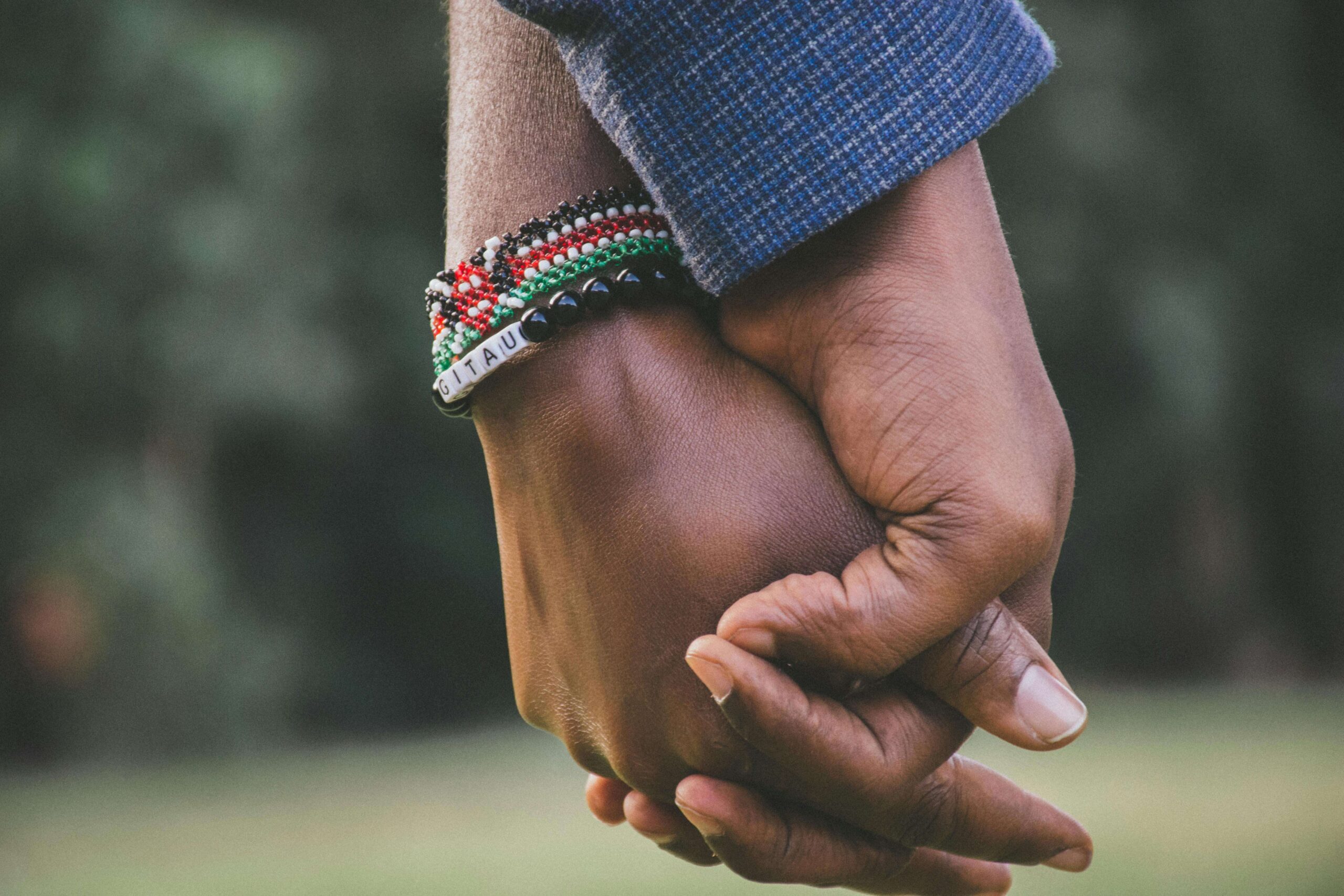
When old relationship wounds keep resurfacing, it can feel like you’re stuck reliving the same emotional patterns. Such as questioning your reactions, replaying conversations in your mind, or wondering if you’re too sensitive or asking too much. These patterns often carry over from past romantic relationships, family dynamics, or unresolved emotional needs, making it difficult to find clarity on your own.
At Empathic Counseling & Psychotherapy, therapy for relationship trauma in Denver, CO, offers a safe, supportive space to slow down those mental loops, recognize recurring patterns, and understand how past experiences influence your current connections without judgment or pressure to “fix” yourself.
Here’s how you can begin the healing process:
- Schedule a brief 15-minute consultation to talk openly about the relational wounds, recurring conflicts, or emotional patterns that feel overwhelming.
- Start individualized therapy for relationship trauma in Denver, CO, focusing on self-awareness, emotional regulation, and understanding your relationship tendencies, whether you’re single, dating, or in a partnership.
- Work toward deeper emotional clarity, helping your needs feel valid, your boundaries feel stronger, and your connections more sustainable.
Working with an individual relationship therapist in Denver, CO, can help you make sense of lingering relational pain. It can also help you break repetitive patterns and move toward healthier, more intentional connections. Reach out today to begin therapy for relationship trauma and take your first step toward emotional healing.
Other Services at Empathic Counseling & Psychotherapy
In addition to individual relationship counseling in Denver, CO, Empathic Counseling & Psychotherapy offers a variety of therapeutic support. I work with clients managing anxiety, self-esteem, and identity concerns, autism spectrum disorder, trauma treated through EMDR, and substance use issues. Each treatment plan is personalized and collaborative, rooted in evidence-based methods, and attentive to the whole context of a person’s life, experiences, and goals.