It’s late, you can’t sleep, and you type “is it normal for a partner to…” into ChatGPT or another AI chatbot. The answer comes instantly. For a moment, it feels like relief. Then the doubt creeps back. If this sounds familiar, it’s worth looking at what’s actually happening when we turn to AI for reassurance about our relationships.
Individual relationship counseling in Denver, CO, offers a different kind of answer. One grounded in your history and your own judgment, not a generalized response from a screen.
Why Has Relying on ChatGPT for Advice Become So Common?
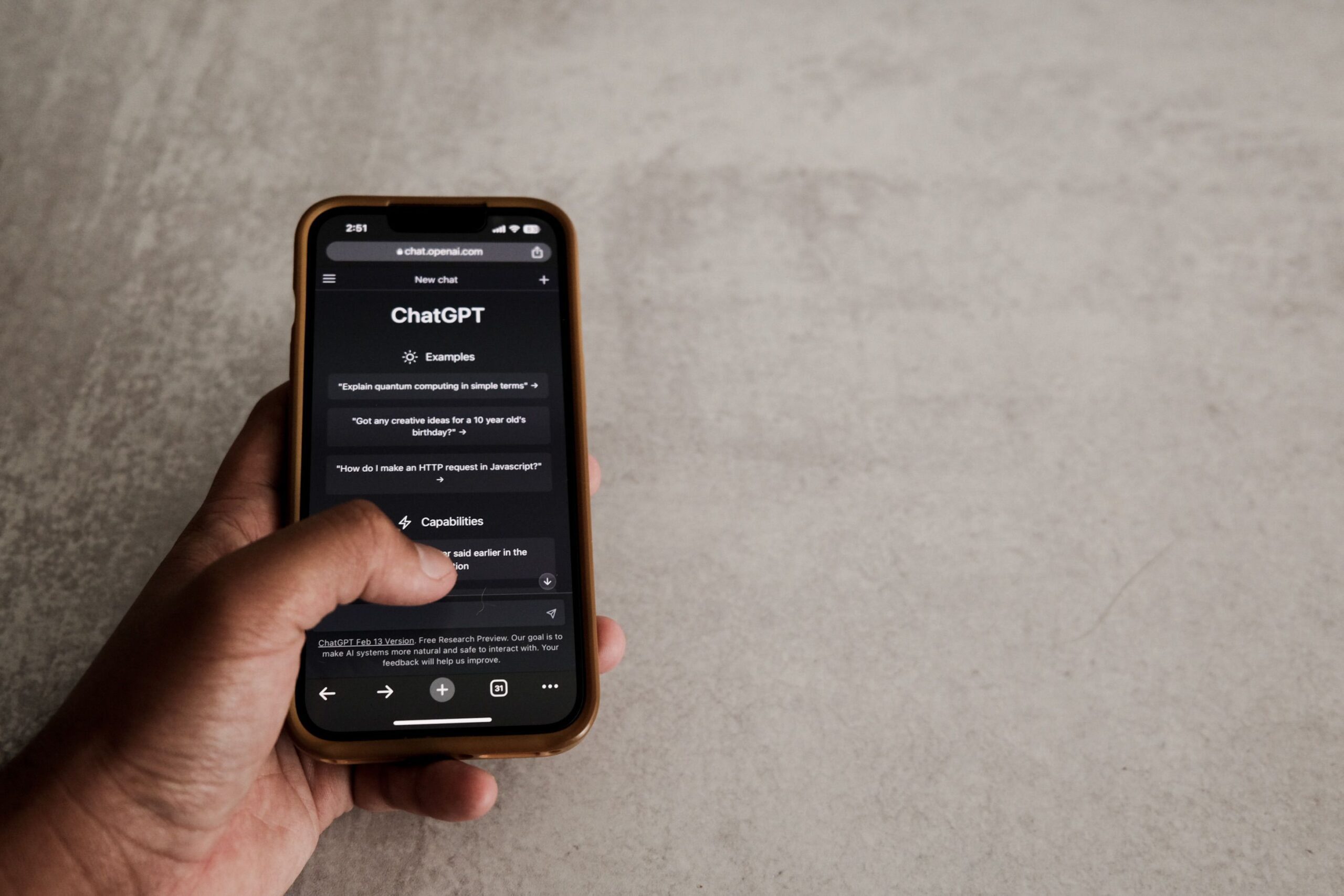
A chatbot like ChatGPT is available at any hour, doesn’t judge, and responds without the vulnerability of talking to a person. For someone anxious about how a question might land, or hesitant to bring it up with a partner or friend, that can feel like a low-risk place to voice a worry.
Uncertainty also provokes anxiety, and anxiety wants fast relief. A chatbot delivers it in seconds—which is exactly the problem. The speed that makes it appealing is the same thing that keeps it from actually being useful.
What Gets Lost in a Fast Answer From AI?
An AI chatbot only knows what you type. It doesn’t know your partner’s tone, your shared history, or the context behind one comment. It doesn’t know your patterns from past relationships or what “normal” has come to mean for you specifically.
“Is this normal?” is rarely a factual question. It’s usually standing in for something else: *Am I safe here? Am I overreacting? Is this a pattern I should worry about, or am I just anxious?* Those questions need a response shaped by your specific history. Not one built from general text patterns pulled from millions of other conversations that have nothing to do with your life.
Why the Relief Never Quite Lasts

It’s temporary. Reassurance, from a chatbot or anyone else, quiets anxiety briefly before the doubt returns, often prompting another round of checking to get the same short-lived relief.
It can reinforce self-doubt. Each time you outsource the answer, it teaches you to trust your own read a little less, which tends to make the underlying uncertainty worse over time, not better.
It treats the symptom, not the source. The chatbot answers the question in front of it, not the one underneath it. Something brought you to that search bar in the first place, and that’s usually the part worth understanding.
What This Pattern Might Be Telling You
If you keep returning to AI with relationship questions, it’s worth getting curious rather than critical. Do you generally struggle to trust your own perception, even outside this relationship? Is there a history—in this relationship or an earlier one—that makes it hard to tell a real concern from anxiety? Is there someone you could bring this question to directly, and if not, what’s in the way?
These questions need someone who can hold the full context of your life across time, not a single conversation. ChatGPT can only respond to what’s in front of it in that moment. It has no memory of your last three questions, no sense of the pattern they might be forming, and no way of noticing that the same worry keeps resurfacing in a slightly different shape.
What Does Individual Relationship Counseling Offer Instead?
An individual relationship therapist won’t give you a faster verdict than a chatbot. That’s the point. Individual relationship counseling helps you build your own capacity to read your relationship clearly, grounded in your history and values, so you’re not borrowing judgment every time doubt arises.
That work often means exploring where the need for certainty comes from. For some people, it connects to an anxious attachment style, or a past relationship that genuinely wasn’t safe, making it hard to distinguish real red flags from old fear. For others, it’s tied to a family history where trusting your own perception wasn’t encouraged or modeled. Either way, the goal isn’t to eliminate uncertainty altogether. It’s to build enough trust in yourself that a little ambiguity doesn’t send you searching for an outside verdict, since very few relationship questions have one clean, universal answer.
There’s nothing wrong with wanting reassurance when something in your relationship feels uncertain. But a chatbot, however articulate, isn’t equipped to hold the full picture of your life or help you learn to trust your own judgment over time. That steadiness gets built somewhere else—in a relationship with someone who knows your history and can help you make sense of it.
Start Working Through Relationship Uncertainty in Denver, CO

If you’ve searched for answers online and still feel unsettled, that feeling is worth bringing into a session.
You deserve answers that hold up—not just fast ones. Contact Empathic Counseling & Psychotherapy today to get started.
Get Support Through Individual Relationship Counseling in Denver, CO
If you’re questioning your relationship in Denver, CO, ChatGPT may offer quick answers, but therapy can help you explore what you’re actually experiencing. Empathic Counseling & Psychotherapy offers individual relationship counseling to help you find clarity.
- Schedule a consultation.
- Explore individual relationship counseling.
- Work through relationship concerns, needs, boundaries, and communication.
An individual relationship counselor can help you better understand your relationship and move forward with greater clarity.
Other Services Available at Empathic Counseling & Psychotherapy
Empathic Counseling & Psychotherapy provides individualized therapy for concerns such as anxiety, self-esteem, identity, autism, and neurodivergence.
Using trauma-informed methods like EMDR therapy, therapy can help you work through difficult experiences and develop healthier ways to cope. Support is tailored to your goals, whether you’re navigating substance use, moving through a major transition, or hoping to better understand yourself.