There’s a particular kind of exhaustion that comes from being consistently misread. It’s different from the exhaustion of conflict itself. It’s the fatigue of explaining, again, that a flat tone doesn’t mean disinterest. That needing time before responding isn’t avoidance. That a direct question wasn’t meant as an accusation. For many autistic adults, this experience—being fluent in one’s own intentions but constantly translated into someone else’s assumptions—becomes one of the most tiring parts of close relationships.
Individual counseling for autistic adults in Denver can offer a different starting point. A space where a person’s communication style is treated as valid information, not a symptom to correct.
The Problem Isn’t Always the Person
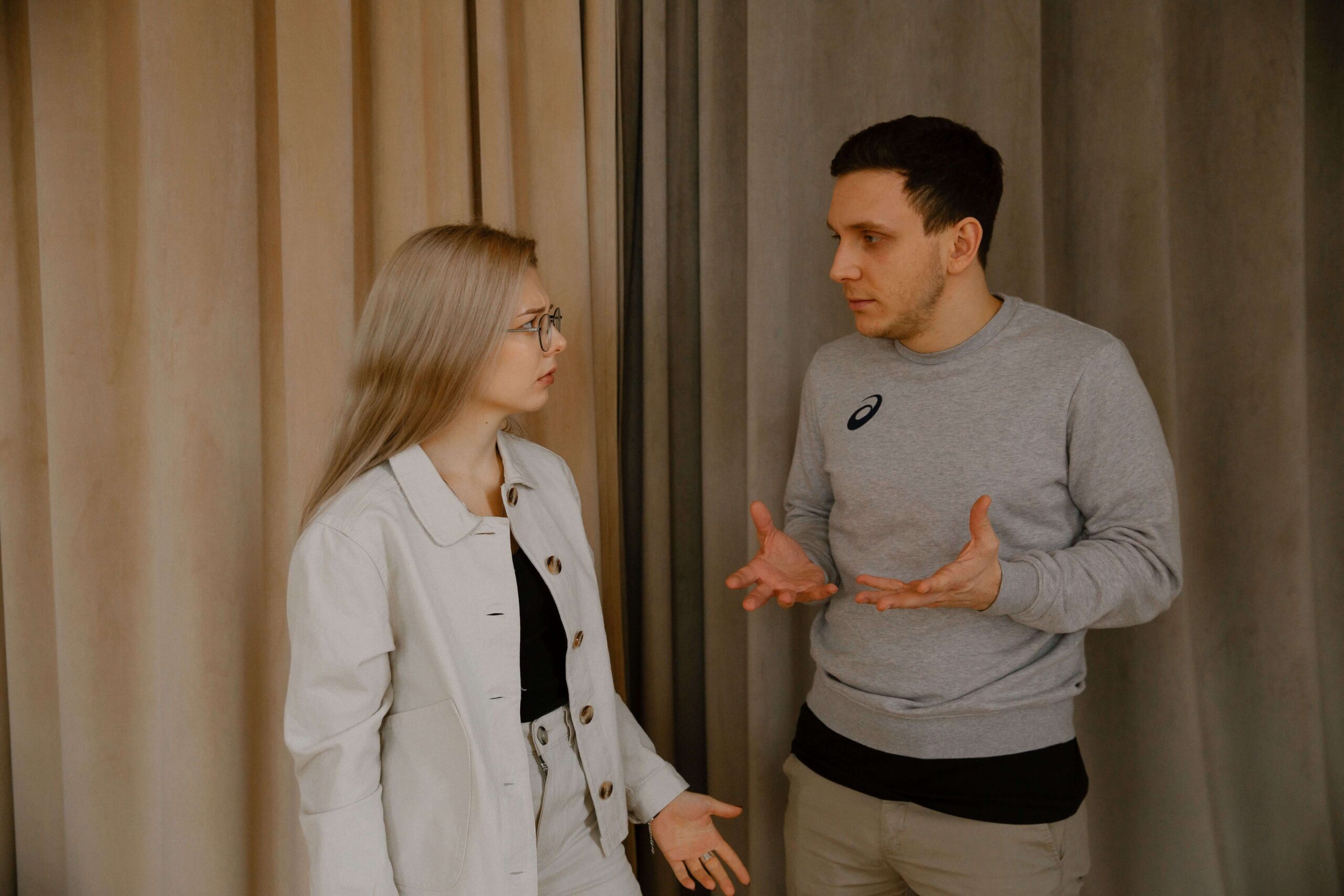
Autistic communication tends to differ from neurotypical norms in pacing, directness, tone, and nonverbal expression. These differences are variations, not defects. Yet in relationships where only one communication style is treated as the default, the autistic partner is often positioned as the one who needs to adjust, translate, or explain themselves further.
Autism research offers a useful reframe here. This is sometimes called the double empathy problem. Communication breakdowns between autistic and non-autistic people are a two-way gap, not a one-directional deficit. Both people are interpreting across a difference in style. In practice, though, the work of bridging that gap—and the blame when it doesn’t happen—tends to fall unevenly on the autistic person.
Years of that imbalance can take a quiet toll. It’s common to see clients who’ve become hyper-aware in conversations. They are rehearsing what they’ll say before saying it, or masking so consistently that they’ve lost a clear sense of what their own natural communication actually looks like. Others pull back from closeness altogether, having learned that openness tends to invite correction rather than curiosity.
What Can Individual Counseling Do for Autistic Adults?
Couples work has its place, but it isn’t always the right entry point. Especially for someone who has spent years being the one asked to change. Individual relationship therapy allows a different kind of work. Separating a person’s way of communicating from the idea that something about it is wrong.
This kind of counseling often involves several distinct threads:
- Sorting style from substance: Many clients arrive unsure whether a given relational conflict reflects a real problem or simply a mismatch in expression. These require very different responses, and clarity here can be relieving on its own.
- Restoring trust in one’s own read of things: After years of being told that tone, expression, or timing is “off,” it’s common to stop trusting one’s own perception entirely. Part of this work is reconnecting with internal accuracy. Learning to trust, for instance, “I am calm, even if my face isn’t showing it,” rather than immediately deferring to someone else’s interpretation.
- Building bridges, not new personalities: Good counseling doesn’t aim to make an autistic client sound neurotypical. It focuses on small, sustainable ways to make internal states more visible to others—naming an emotion directly when tone won’t carry it, for example—without asking someone to abandon how they naturally communicate.
- Making room for grief and anger: It’s appropriate, and often necessary, for this work to surface grief over relationships strained or lost to unaddressed misunderstanding. Along with frustration at having carried the burden of accommodation for so long without reciprocity. A skilled therapist doesn’t rush past these feelings in search of quick fixes.
- Clarifying what actually needs to change: Not every source of friction is a shared translation problem. Part of the work is helping a client discern between reasonable requests for adjustment and requests that ask them to erase something essential about how they relate to others.
Choosing the Right Support for Autistic Adults in Denver

Autism-affirming counseling looks different from general relationship coaching. It’s worth asking a prospective therapist how they understand neurodivergent communication, whether they’re familiar with concepts like the double empathy problem, and how they’d support a client who wants connection without additional masking. If someone treats “better communication” as synonymous with “sounding more neurotypical,” that’s a sign to keep looking.
A Different Foundation
The aim of this work isn’t to smooth an autistic adult’s communication style into something more familiar to others. It’s to help build a steady, trusting relationship with one’s own way of relating—so that when misunderstandings arise, as they will in any relationship, they can be approached as something to work through together, rather than absorbed as evidence of personal failure. That shift, from correction to collaboration, is often where lasting relational change begins. Reach out to Empathic Counseling & Psychotherapy to learn more.
Begin Individual Relationship Counseling for Autistic Adults
When others misunderstand or dismiss your communication style, relationships can become frustrating and overwhelming. Counseling for autistic adults in Denver, CO, at Empathic Counseling & Psychotherapy can help you communicate your needs, build self-trust, and feel more understood in your relationships.
At Empathic Counseling & Psychotherapy, you can:
- Schedule a consultation to discuss your relationship concerns.
- Begin individual relationship counseling focused on communication and connection.
- Develop strategies for expressing needs, setting boundaries, and navigating misunderstandings.
You don’t have to change your communication style to build healthy relationships. An individual relationship counselor in Denver can help you feel confident, respected, and understood.
Explore Your Mental Health Support Options

Empathic Counseling & Psychotherapy offers support for more than relationship concerns, helping clients navigate anxiety, self-esteem, identity, autism, neurodivergence, and other personal challenges.
Trauma-informed services, including EMDR therapy, can also help clients work through difficult experiences and build effective coping tools. Therapy is tailored to each person, whether you’re navigating substance use, a major life change, or simply seeking personal growth and greater self-awareness.